

Lira district has called on development partners to help reduce unmet needs for family planning.
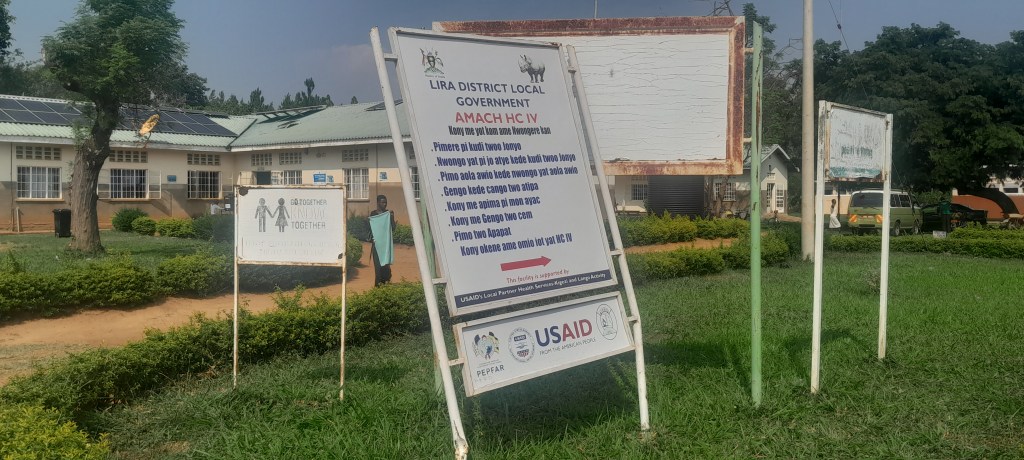
This was sounded in a community engagement meeting at Amac health center IV organized by Global Forum for Development (GLOFORD) under join advocacy for sexual reproductive health and rights in Ugand (Jas program ) with support from CEHURD.
Uganda being one of the youngest and most rapidly growing populations in the world with population growth rate at 3.3%, according to the National Population Council Uganda is the third fastest growing population in the world making it very vulnerable for young people be victims of sexual reproductive health challenges due to poor access to information.
Though the government is advocating to reduce unmet needs for family planning by 2030 to 10 percent, Lira district stands at 36 percent with 27 percent of teenage pregnancy compared to the national that currently stands at 25 percent (between girls aged 10 to 20 years).
According to the Assistant District Health Officer- Lira, Dr. Edmond Aceka, they are losing 60 percent of babies and 40 percent of these young mothers during birth due to teenage pregnancy annually.

He said as the district sexual reproductive health is engulfed wit numerous challenges calling upon the development partners to intervine in order to have a healthy, productive population.
The engagement that involved Opinion, Religious,Cultural leaders, Health care providers, youth leader young women and adolescents, unmet needs for family planning, cultural norms, luck of enough information,side effects and Biblical believe (Genesis1:28) were raised as factors causing low intake of family planning.
Julius Otile a pastor at Yaweh Pentacostal Mission advice family to lay a good foundation for home and this can only be done by have a number of children you can take good care of and this can only be achieved through family planning.

According to UNFPA in East African region, the continuing convergence of a number of barriers undermine the SRHR of women, girls and vulnerable populations. These include inequalities in access; weaknesses in the delivery of integrated people-centred care services; gaps in sustainable financing; and inadequate laws, policies, and financial protection. These also result in suboptimal health and rights outcomes across the region.
The region has high maternal mortality and morbidity rates. HIV infection rates are the worst globally. Family planning is an elusive goal for many African women. Almost two thirds of women of reproductive age are currently not using modern contraceptives.







 Alexi McCammond
 Brooklyn Amber
 Francis Oyet
 Isaac Erick Odongo
 Janna Jihad
 Admin
Admin Andrew Ogwang
 Samson Kasumba
 Song Moo-Bin (송무빈)
 TwalibZaitunk
 The Northern Press
Leave a comment