

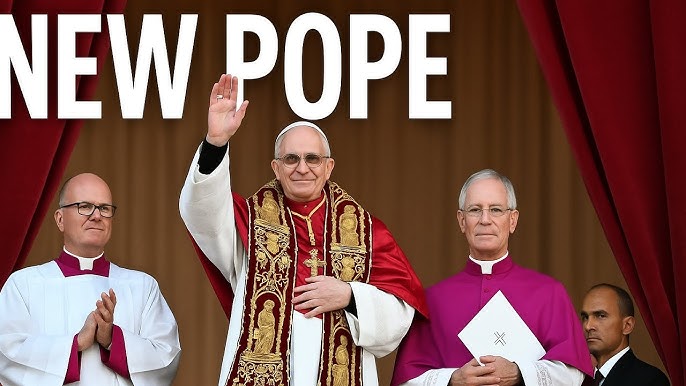
Vatican City, May 8, 2025 – In a historic moment for the Roman Catholic Church, Cardinal Robert Prevost, a 69-year-old American missionary and member of the Augustinian religious order, has been elected as the 267th pope, taking the name Pope Leo XIV.
The announcement came after white smoke billowed from the Sistine Chapel chimney on the second day of the papal conclave, signaling that the 133 cardinal electors had reached a two-thirds majority. The bells of St. Peter’s Basilica rang out, and thousands of pilgrims and tourists gathered in St. Peter’s Square erupted in applause.
A New Era for the Church
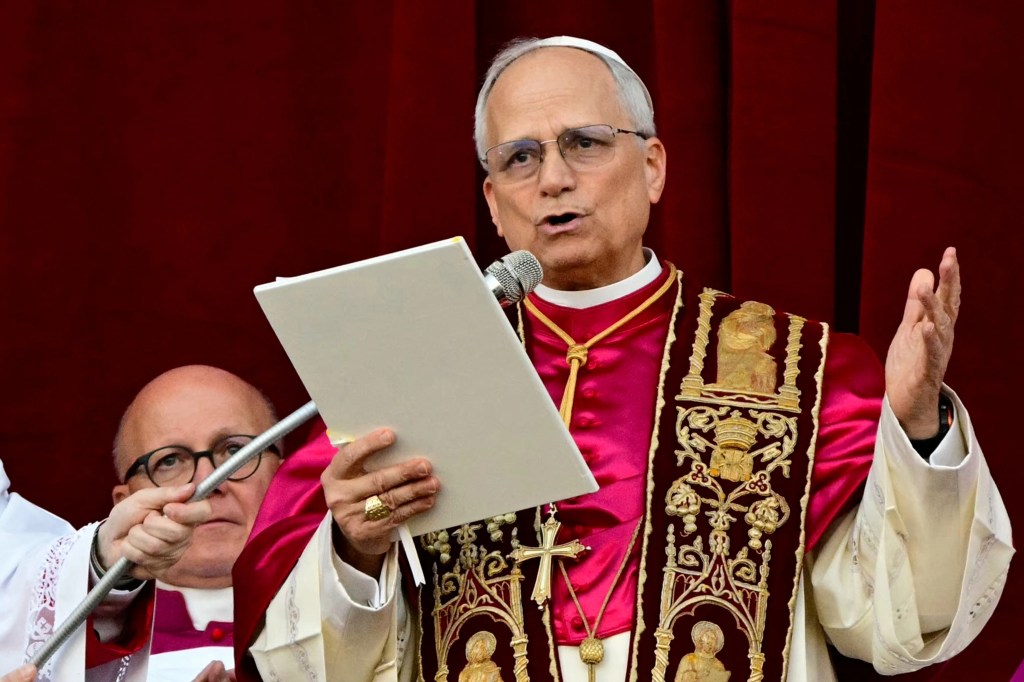
Pope Leo XIV, born in Chicago and a long-time missionary in Peru, is the first American pope in the 2,000-year history of the Catholic Church. His election marks a significant milestone, reflecting the growing global diversity of the Church, which counts 1.4 billion members worldwide. Prevost, who also holds Peruvian citizenship, appeared on the balcony of St. Peter’s Basilica wearing the traditional red cape of the papacy, a symbol notably eschewed by his predecessor, Pope Francis. In his first words as pontiff, he greeted the crowd with, “Peace be with you,” emphasizing a message of dialogue and unity “without fear.”
The conclave, which began on Wednesday, May 7, following the death of Pope Francis on April 21, was the largest and most diverse in history. Pope Francis had appointed 108 of the 133 voting cardinals, expanding representation from countries such as Haiti, Myanmar, Bangladesh, and Malaysia. After three inconclusive ballots—marked by black smoke on Wednesday and Thursday morning—the fourth ballot on Thursday afternoon resulted in Prevost’s election.
A Missionary’s Journey to the Papacy
Cardinal Robert Prevost’s path to the papacy is one of service and humility. A member of the Augustinian order, founded by St. Augustine in the 13th century, Prevost spent much of his career ministering in Peru, where he served as administrator and later archbishop of Chiclayo. He was twice elected prior general of the Augustinian order, showcasing his leadership within the global religious community. In 2023, Pope Francis brought him to Rome to lead the Vatican’s influential office of bishops and serve as president of the Pontifical Commission for Latin America.
Fidel Purisaca Vigil, communications director for Prevost’s former diocese in Chiclayo, described him as a joyful and prayerful leader who maintained good humor despite challenges. “No matter how many problems he has, he maintains good humor and joy,” Purisaca noted. Prevost’s experience in Latin America and his fluency in Spanish are expected to strengthen the Church’s ties with the region, home to nearly 40% of the world’s Catholics.
Global Reactions and Expectations
The election of an American pope has sparked widespread excitement and curiosity. In St. Peter’s Square, the crowd waved national flags and captured the moment on their phones as Cardinal Dominique Mamberti, the French cardinal protodeacon, proclaimed “Habemus Papam!”—Latin for “We have a pope!”—before introducing Pope Leo XIV. Among the onlookers were Emily and Wilfred, a couple from London, who traveled to Rome specifically for the papal election. “It’s incredible to witness history,” Wilfred said.
Speculation had swirled about potential frontrunners, including Cardinal Pietro Parolin of Italy and Cardinal Luis Antonio Tagle of the Philippines, but Prevost’s election defied expectations. As an old papal saying goes, “He who enters the conclave as pope, leaves it as a cardinal,” highlighting the unpredictability of the process. Social media posts on X reflected a mix of surprise and enthusiasm, with some users calling Pope Leo XIV a “woke pope” from Villanova, his alma mater, while others debated the integrity of the conclave process. These sentiments, however, remain inconclusive without further evidence.
Challenges Ahead
Pope Leo XIV inherits a Church navigating complex global challenges, including calls for reform on issues like women’s ordination, inclusion of LGBTQ Catholics, and addressing clergy sexual abuse. His predecessor, Pope Francis, was known for his progressive reforms and outreach to marginalized communities, setting a high bar for engagement with the modern world. Prevost’s background as a missionary and his experience in diverse cultural contexts may guide his approach to these issues.
The new pontiff’s choice of the name Leo XIV honors a lineage of popes, including Leo XIII, known for his social teachings in the late 19th century. Observers anticipate that Pope Leo XIV will draw on his pastoral experience to foster dialogue and unity within a polarized global Church. His first address from the balcony, emphasizing peace, suggests an intention to bridge divides.
A Moment of Unity
As Pope Leo XIV prepares to lead the Catholic Church, the world watches closely. After a liturgical ceremony, he will be fitted in papal garments in the Room of Tears, a small chamber off the Sistine Chapel, before beginning his ministry. The mayor of Rome, Roberto Gualtieri, joined the crowds in St. Peter’s Square to welcome the new pope, underscoring the city’s deep connection to the papacy.
For now, the faithful and curious alike celebrate this historic moment. Pope Leo XIV’s election as the first American pontiff opens a new chapter for the Catholic Church, one that promises to blend tradition with the diverse perspectives of a global faith community.
Sources: BBC News, The Washington Post, The Guardian, Reuters, KCRA





 Alexi McCammond
 Brooklyn Amber
 Francis Oyet
 Isaac Erick Odongo
 Janna Jihad
 Admin
Admin Andrew Ogwang
 Samson Kasumba
 Song Moo-Bin (송무빈)
 TwalibZaitunk
 The Northern Press