


Lira City, Uganda – On Thursday, May 8, 2025, the Uganda Law Reform Commission (ULRC) hosted an advocacy event on Copyright and Neighbouring Rights Protection at Pauline Hotel Annex in Lira City.
The event aimed to raise awareness about the legal framework governing intellectual property, specifically the Copyright and Neighbouring Rights Act, 2006 (Cap 222), and its significance for creators in Uganda.
Lilian Grace Ocare, Principal Assistant Town Clerk of Lira City, officially opened the program, expressing gratitude to the ULRC for selecting Lira as a hub for disseminating knowledge about copyright law. As a visual artist herself, Ocare emphasized the critical role of copyright in protecting creative works. “There are many talented people, but they cannot protect their visual work or hold it to themselves due to lack of copyright awareness,” she said. Ocare urged creators to embrace copyright as a tool to foster innovation and safeguard their intellectual property.
Jeroline Akubu, a representative of the ULRC, delivered a comprehensive presentation on the Copyright and Neighbouring Rights Act, 2006. She explained that copyright is automatically conferred to the creator of original works, including music scripts, films, photographs, books, artistic works, literary works, dramatic works, broadcasts, and performances. However, she clarified that copyright does not extend to ideas, processes, systems, principles, methods of operation, concepts, public benefit works, or words.
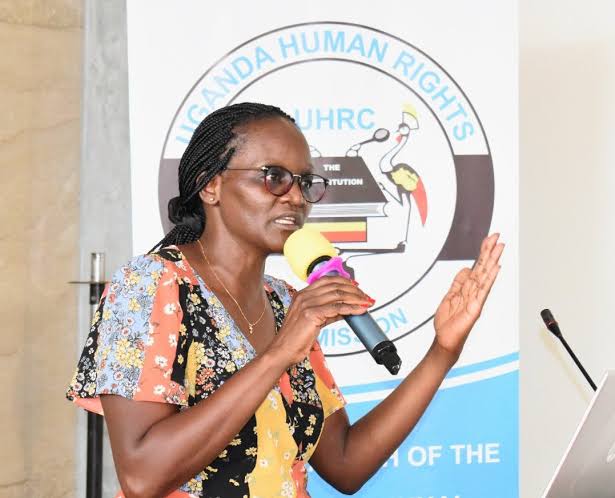
Quoting the Act, Akubu highlighted the eligibility criteria for copyright protection:
“The author of any work specified in section 5 shall have a right of protection of the work, where work is original and is reduced to material form in whatever method irrespective of quality of the work or the purpose for which it is created.” (Copyright and Neighbouring Rights Act, 2006, Section 5(1)).
She further noted that a work qualifies for protection if it is original, expressed, and fixed in a tangible form. Akubu emphasized the duration of protection, stating, “Audio-visual works, sound recordings, or broadcast copyrights last for 50 years from the date of publication,” making it highly beneficial for content creators.
While registration with the Uganda Registration Services Bureau (URSB) is not mandatory, Akubu strongly recommended it. “Registration is recommended to keep evidence of ownership of the right and ease identification of work,” she said, adding that it strengthens legal recourse in cases of infringement. The process involves submitting an application to the Registrar of Copyright, paying a fee of UGX 50,000, and publishing the application in the Uganda Gazette for 60 days. If no objections are raised, a certificate of registration is issued.

Constitutional Backing for Intellectual Property
The event also underscored the constitutional foundation for intellectual property protection in Uganda. Article 26 of the Constitution of the Republic of Uganda, 1995 guarantees the right to own property, which extends to intellectual property. It states:
“Every person has a right to own property either individually or in association with others.” (Constitution of Uganda, 1995, Article 26(1)).
This provision, coupled with the Copyright and Neighbouring Rights Act, 2006, provides a robust legal framework to protect creators’ rights and incentivize innovation. Akubu noted that the ULRC is currently reviewing the Act to address gaps, enhance enforcement, and adapt to technological advancements, as announced in a recent URSB newsletter.
Police Commitment to Tackling Infringement
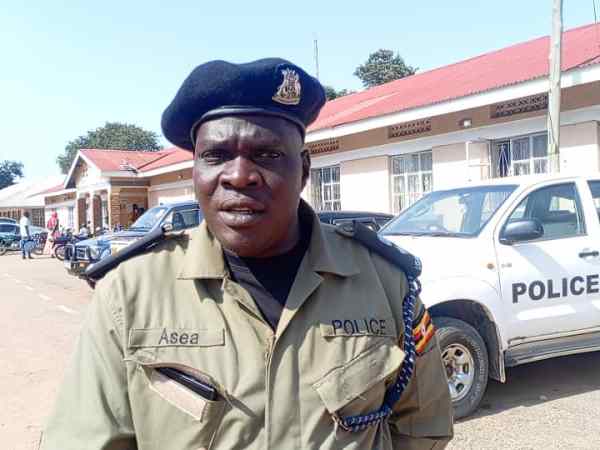
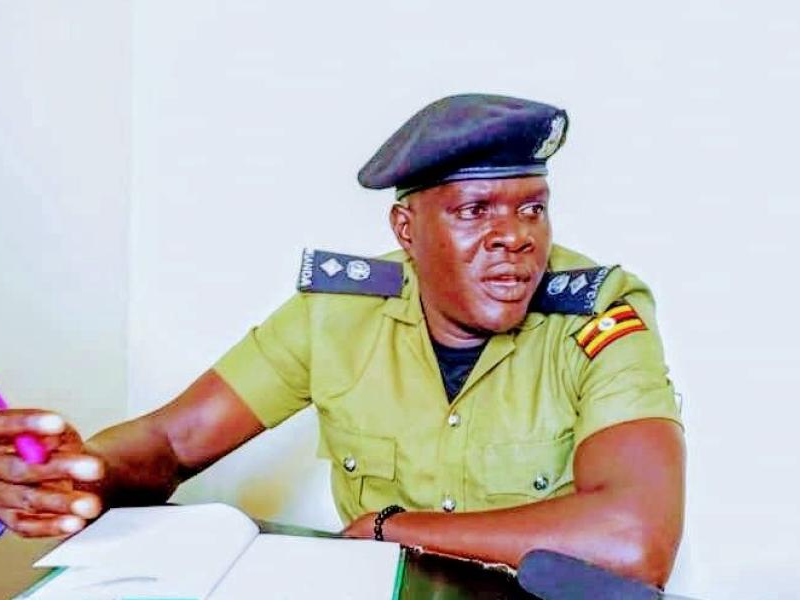
Jimmy Patrick Okema, North Kyoga Region Police Spokesperson, reaffirmed the Uganda Police Force’s commitment to addressing copyright infringement. “As police, our work is to receive and address every concern in copyright infringement and ensure the culprits are brought to law,” Okema stated. He highlighted that infringement, as defined under the Act, includes unauthorized reproduction, distribution, or public exhibition of protected works. Offenders face penalties, including fines up to one hundred currency points or imprisonment for up to four years, or both.
The Act specifies:
“Infringement of copyright or neighbouring right occurs where, without a valid transfer, licence, assignment or other authorisation under this Act a person deals with any work or performance contrary to the permitted free use…” (Copyright and Neighbouring Rights Act, 2006, Section 46(1)).
A Call to Action for Creators
The advocacy event served as a clarion call for creators in Lira and beyond to leverage the legal protections available under Ugandan law. By registering their works with URSB and understanding their rights, artists, musicians, writers, and filmmakers can safeguard their creations and benefit economically from their talents.
The ULRC’s initiative in Lira City reflects a broader effort to empower Uganda’s creative industry, aligning with the country’s obligations under international treaties like the World Trade Organization’s TRIPS Agreement. As Uganda continues to refine its copyright laws, events like this underscore the importance of public awareness and enforcement in building a thriving creative economy.





 Alexi McCammond
 Brooklyn Amber
 Francis Oyet
 Isaac Erick Odongo
 Janna Jihad
 Admin
Admin Andrew Ogwang
 Samson Kasumba
 Song Moo-Bin (송무빈)
 TwalibZaitunk
 The Northern Press