

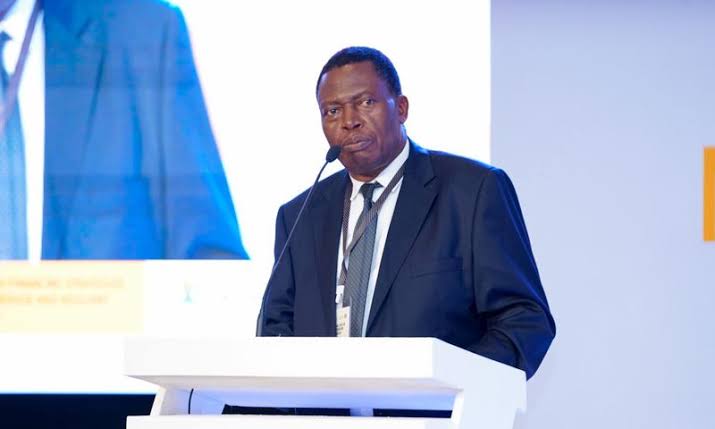
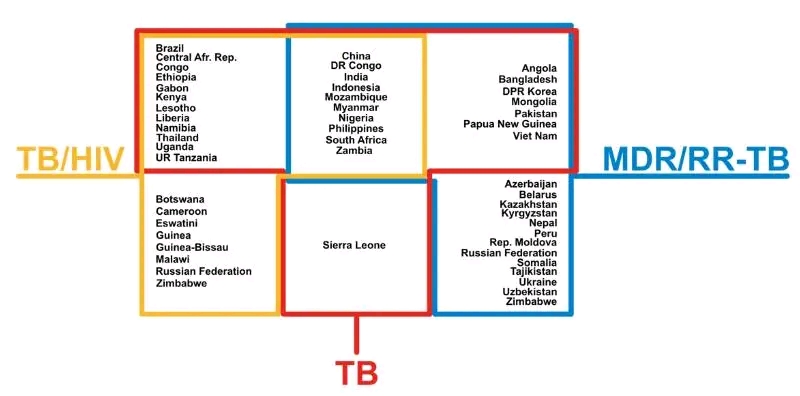
KAMPALA, UGANDA – Uganda remains one of the 30 countries with the highest tuberculosis (TB) and TB/HIV burden globally, with 94,000 new TB cases reported annually, according to Dr. Charles Olaro, Acting Director General of Health Services at the Ministry of Health.
Of these, 30,000 individuals are co-infected with HIV, and approximately 4,700 Ugandans die each year from TB-related causes. A recent national survey has uncovered an alarming statistic: TB prevalence in Uganda’s prisons is eight times higher than in the general population, prompting urgent action from health authorities.
The survey, conducted by Makerere University School of Public Health in collaboration with the Ministry of Health, Uganda Prisons Service, and international partners like PEPFAR and the CDC, revealed a TB prevalence rate of 1,900 per 100,000 people in prisons, compared to 253 per 100,000 in the general population. Additionally, 48% of people in prison tested positive for latent TB infection, highlighting the heightened risk in these congested settings. Overcrowding, poor ventilation, and limited access to healthcare exacerbate TB transmission in prisons, making them a critical focus for intervention.
Dr. Olaro emphasized the need for grassroots efforts to combat the disease. “We must strengthen community engagement and empower Community Health Extension Workers with TB and leprosy knowledge to drive advocacy and create demand for services,” he said during a recent dissemination event. The Ministry is intensifying surveillance and treatment programs, particularly in high-risk settings like prisons, to curb the spread of TB and reduce mortality.
The Ministry of Health, with support from the U.S. government and USAID, has rolled out new tools to enhance TB screening nationwide. On May 14, 2025, Health Minister Dr. Jane Ruth Aceng commissioned 48 portable digital X-ray machines with computer-aided detection (CAD) software, 33 TB-LAMP diagnostic platforms, and 33 tricycles to improve mobile testing in 68 districts. These efforts aim to increase early detection, especially in underserved areas and among vulnerable populations.
In prisons, the Ministry is prioritizing active case-finding and improving treatment access. The survey findings underscored that new prison entrants are particularly affected, likely due to undetected cases at entry. To address this, the Uganda Prisons Service is enhancing entry screenings and integrating TB and HIV services. The CDC has also supported the renovation of laboratories and provided GeneXpert machines to regional prison facilities, reducing the time to diagnose drug-resistant TB strains from weeks to hours.
Despite these strides, challenges remain. Multi-drug resistant TB (MDR-TB), which is four times higher in prisons than in the general population, poses a significant threat. Late diagnoses, treatment side effects, and re-infection due to continued exposure in prisons complicate efforts. The Ministry is exploring shorter-course treatment regimens and strengthening referral networks to ensure treatment continuity, especially for inmates who are transferred or released.
The new TB Strategic Plan (2025/26–2029/30) will leverage these survey findings to design targeted interventions. Key priorities include addressing health-seeking barriers, ensuring universal access to drug susceptibility testing, and enhancing private-sector involvement through public-private partnerships. Community engagement and operational research will also be scaled up to boost TB prevention and care.
As Uganda strives for a TB-free future by 2030, the Ministry of Health is calling for increased domestic funding and stronger collaboration with partners. “We are still heavily burdened by TB,” said Minister Aceng. “I assure you of my commitment to advocate for increased funding to achieve our objectives.”
The fight against TB in Uganda, particularly in its prisons, is a critical step toward reducing the national burden and protecting vulnerable populations. With intensified efforts and innovative solutions, the country is determined to turn the tide against this preventable and treatable disease.






 Alexi McCammond
 Brooklyn Amber
 Francis Oyet
 Isaac Erick Odongo
 Janna Jihad
 Admin
Admin Andrew Ogwang
 Samson Kasumba
 Song Moo-Bin (송무빈)
 TwalibZaitunk
 The Northern Press