

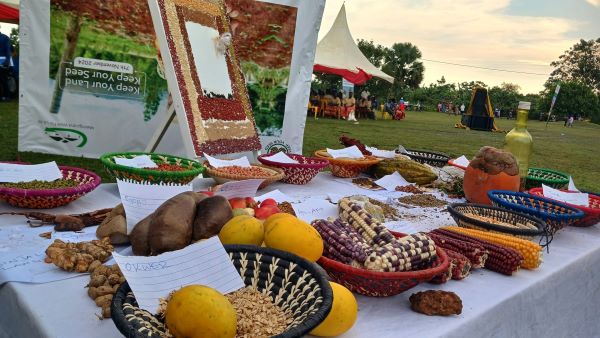
Apac, Uganda – The Land and Equity Movement in Uganda, or LEMU, is set to hold a Public Legal Clinic and Indigenous Seed Exhibition in Apac District this Saturday, October 4, 2025. The event aims to empower local communities through education and cultural preservation.
The day will feature a range of activities, including training for clan leaders on customary land management and land conflict mediation sessions. Over 100 clan leaders from the Lango Sub-Region will learn how to manage customary land and resolve disputes peacefully, fostering harmony in their communities.

In addition, farmers from Apac and surrounding districts will showcase indigenous seeds and foods in a special exhibition. The event will also include planting indigenous trees, promoting environmental sustainability.
Rachael Aduk, LEMU’s Communication and Advocacy Officer, emphasized the importance of the initiative. “This event will equip clan leaders with the skills to manage customary land and resolve conflicts through peaceful mediation,” she said.
Aduk also noted that the seed and food exhibition will celebrate the rich agricultural heritage of the Lango Sub-Region. However, she cautioned that registering customary land does not guarantee freedom from conflicts or related challenges.
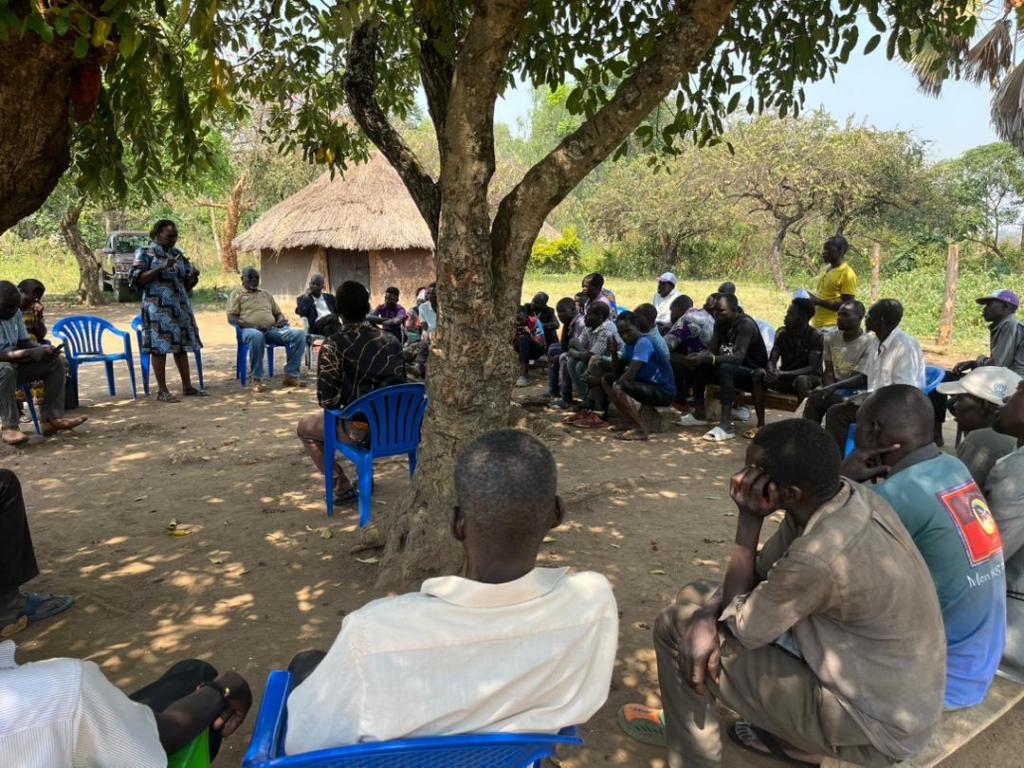
George Ojwang Opota, Clan Chief of Omolo Acol Odyek Onywal Iceng, praised the initiative, calling it a vital step toward preserving customary land in Lango. “This training is crucial for our people to protect our land and maintain our cultural heritage,” he said, speaking in the local language.
The event promises to be a significant moment for Apac District, blending education, conflict resolution, and cultural pride. Stay tuned for updates on this impactful community gathering.

Three years ago (on September 15, 2022), Ugandan President Yoweri Museveni handed over certificates of customary land ownership to over 1,500 families and communities in Apac District (northern Uganda), as part of a broader government initiative to register and title customary lands across 35 districts.
This event took place at Ibuje Primary School in Apac and was the launch of a project funded by the European Union and the United Nations Capital Development Fund, with support from partners like the Cadasta Foundation and the World Bank’s Competitive and Enterprise Development Project (CEDP).

Apac alone had 6,393 beneficiaries (3,943 male and 2,450 female), with an average family landholding of 4.8 acres.
The project aimed to eventually cover 275,000 families and 630 clans in the greater northern region, with about 4,000 titles processed initially for northern Uganda, West Nile, and Karamoja.
The handover was explicitly designed to reduce land disputes and grabbing (“Mayo Lobo” in local terms, meaning land grabbing, and “Laro Lobo” for disputes) in Apac and surrounding areas, which have to date been plagued by conflicts due to unclear customary ownership, evictions, and fraud.







 Alexi McCammond
 Brooklyn Amber
 Francis Oyet
 Isaac Erick Odongo
 Janna Jihad
 Admin
Admin Andrew Ogwang
 Samson Kasumba
 Song Moo-Bin (송무빈)
 TwalibZaitunk
 The Northern Press