

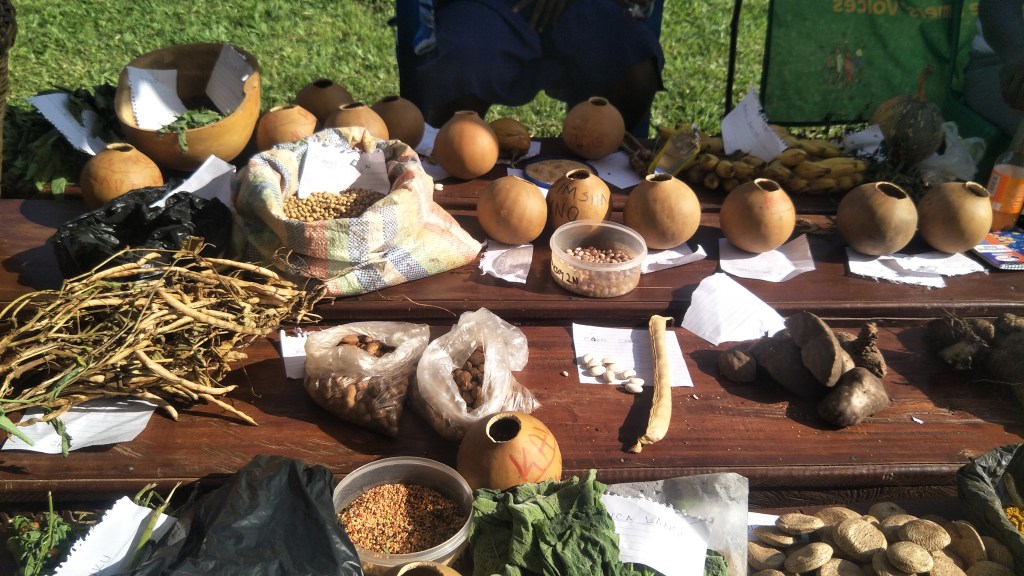
In a vibrant push to safeguard cultural heritage and promote sustainable land use, the Land and Equity Movement in Uganda (LEMU) successfully trained over 200 clan leaders in Apac District.
The training, held at Cegere Sub-county headquarters under the inspiring banner of the Keep Your Land, Keep Your Seed campaign, focused on preserving customary land and protecting indigenous seeds for future generations. This transformative event blended education, cultural preservation, and community empowerment, marking a significant step toward sustainable development in the Lango Sub-region.
A Day of Learning and Cultural Connection
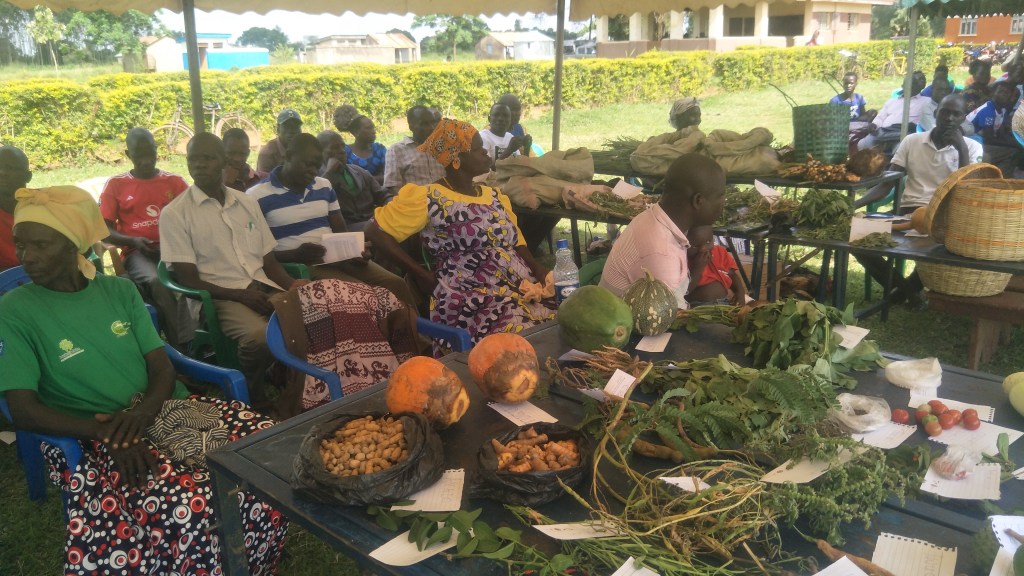
The training session was a dynamic mix of practical workshops and engaging discussions. Clan leaders and community members delved into customary land management techniques and participated in a land conflict mediation session led by law students from Uganda Christian University (UCU). These students brought their expertise to the table, equipping attendees with tools to resolve land disputes peacefully and effectively, fostering harmony within communities.
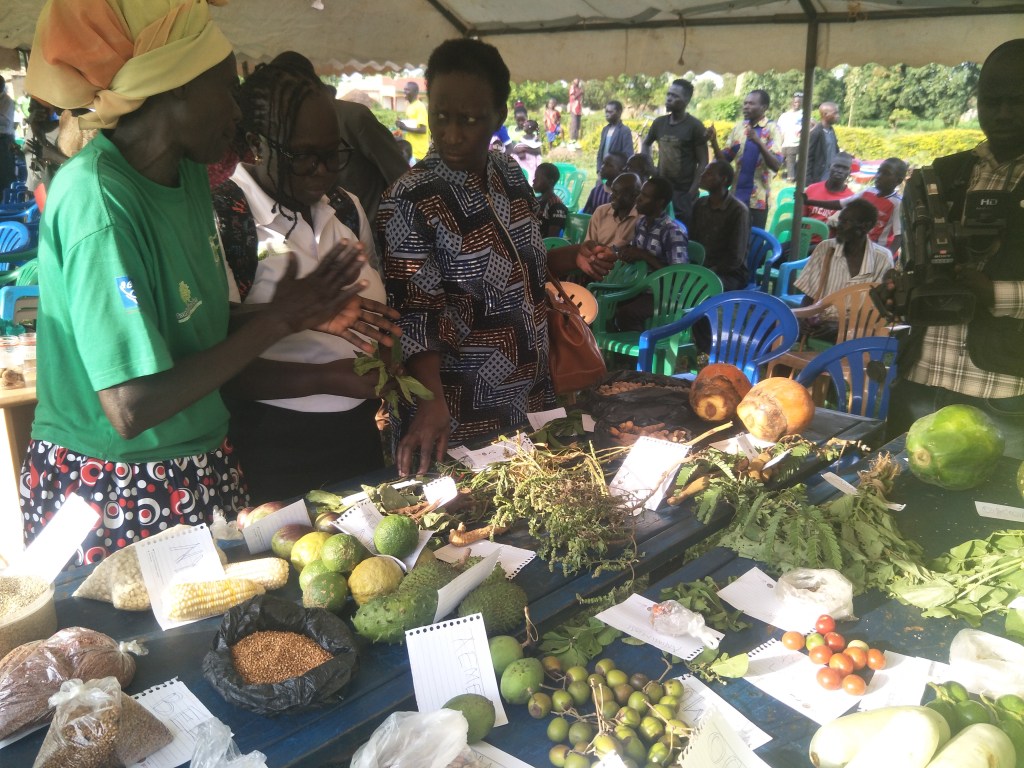
LEMU’s Executive Director, Dr. Teresa Auma, passionately emphasized the importance of preserving indigenous seeds and fruits. “Our indigenous seeds are a legacy for the next generation,” she said. “By protecting them, we ensure that our children and grandchildren can enjoy the same rich harvests we do today.” Dr. Auma highlighted LEMU’s collaboration with UCU law students, noting their expertise in land conflict mediation as a critical resource for the community.
Addressing Land Challenges for Future Generations
The event also shed light on the challenges faced by children born into customary land disputes. Elizabeth Alyano Alani, Executive Director of the Centre for Women and Children’s Re-integration, pointed out a troubling issue: “Children often face conflicts over customary land and, in some cases, unknowingly marry close relatives because they were not introduced to their extended families early on.” She urged clan leaders to prioritize early education about family ties and land rights to prevent such issues.
Joy Akello from the Facilitation for Peace and Development (FAPAD) echoed these sentiments, stressing the urgency of preserving both land and indigenous seeds. “These seeds are resilient and thrive in all seasons, but they’re disappearing,” Akello warned. “If we don’t act now, we risk losing a vital part of our heritage.” Her call to action resonated with attendees, who committed to championing preservation efforts in their communities.
Clan Leaders Take a Stand
Wachio Dickens, clan chief of Adyegi, reaffirmed his community’s partnership with LEMU in protecting land and seeds. “We stand firm with LEMU to ensure our land remains productive and our indigenous seeds are safeguarded,” he declared. His words reflected a growing resolve among clan leaders to prioritize sustainable practices and cultural preservation.
However, the event also addressed a pressing issue: the illegal sale of customary land. Apac’s Resident District Commissioner, Andrew Onyuk, issued a stern warning to clan leaders involved in such practices. “There is vast land in the Lango Sub-region, yet poverty persists because customary land is not being utilized properly,” Onyuk said. He urged leaders to educate their communities on effective land management and conflict mediation to unlock the region’s agricultural potential and reduce poverty.
A Call to Action for Lango’s Future
The Keep Your Land, Keep Your Seed campaign is more than a training initiative—it’s a movement to empower communities, preserve cultural heritage, and promote sustainable development. By equipping clan leaders with the knowledge and tools to manage land conflicts and protect indigenous seeds, LEMU is laying the foundation for a prosperous and resilient Lango Sub-region.
As the event concluded, participants left inspired and empowered, ready to share their newfound knowledge with their communities. With continued collaboration between LEMU, local leaders, and partners like UCU and FAPAD, the Lango Sub-region is poised to protect its land and seeds for generations to come.
For more information on LEMU’s initiatives or to join the Keep Your Land, Keep Your Seed campaign, visit LEMU’s official website.






 Alexi McCammond
 Brooklyn Amber
 Francis Oyet
 Isaac Erick Odongo
 Janna Jihad
 Admin
Admin Andrew Ogwang
 Samson Kasumba
 Song Moo-Bin (송무빈)
 TwalibZaitunk
 The Northern Press